
 Italiano
 English
Shopping Cart
There are no more items in your cart

Face Toner: What It Does, How to Use It and When
A face toner is one of the best-known skincare products, yet its role is not always clear. Should you use it before or after serum? Does it need to be rinsed off? And is it really necessary? Modern toners can be hydrating, refreshing, soothing or formulated with specific active ingredients. In this guide, we explain what toner does, how to use it and when to add it to your skincare routine, with a closer look at sea salt and Acqua Madre.
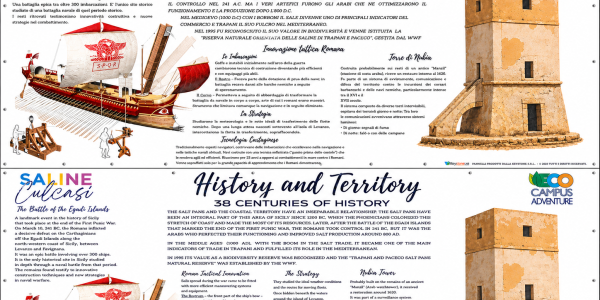
History and territory: 38 centuries of history
The salt pans and the coastal territory have an inseparable relationship. The salt pans have in fact been an integral presence in this part of Sicily since 1200 B.C., with the Phoenicians who colonized this stretch of coast and began its exploitation.
Later, after the Battle of the Egadi Islands, which marked the end of the First Punic War, the Romans took control of them in 241 B.C. However, the true architects were the Arabs, who optimized their functioning and production after 800 A.D.
In the Middle Ages (1000 A.D.), with the Bourbons, salt became one of the main indicators of trade and Trapani its hub in the Mediterranean.
In 1995, its value in terms of biodiversity was recognized and the “Riserva Naturale Orientata delle Saline di Trapani e Paceco”, managed by WWF, was established.
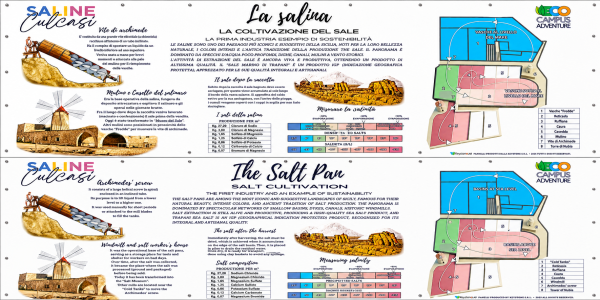
The salt pan: salt production
The first example of a sustainable industry
The salt pans are one of the most iconic and evocative landscapes of Sicily, known for their natural beauty, intense colors, and the ancient tradition of salt production.
The panorama is dominated by shallow water basins, embankments, canals, and historic windmills.
Salt extraction is still active and productive today, producing a product of the highest quality. “Trapani Sea Salt” is a PGI product, Protected Geographical Indication, appreciated for its integral and artisanal qualities.
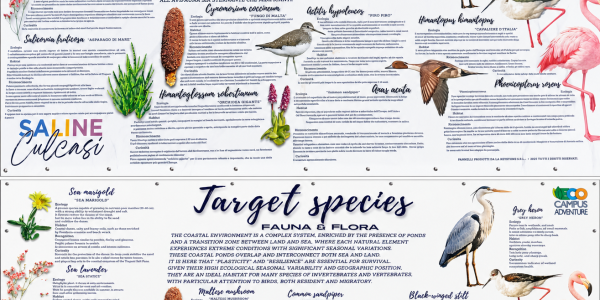
Target species: fauna & flora
The coastal environment is a complex system, enriched by the presence of the basins, and is a transition zone between land and sea where every natural element experiences extreme conditions with large daily and seasonal variations.
Food webs overlap and are interconnected between sea and land.
Here, “plasticity” and “resilience” are essential for survival. Due to its great seasonal ecological variability and its geographical position, it is an ideal ecotone for many species, from bacteria to higher vertebrates, with particular attention to both wintering and nesting birdlife.


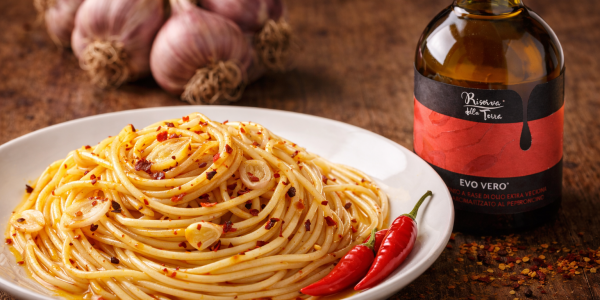
Spaghetti aglio, olio and chili: a timeless Italian classic
Spaghetti aglio, olio and chili are one of the purest expressions of Italian home cooking. A simple dish made with just a few ingredients, yet capable of delivering deep flavour and character. When quality ingredients are used, even the most essential recipe can turn into something truly memorable.
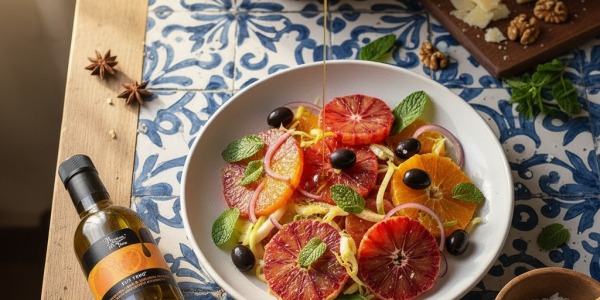
Orange Salad with Orange-Infused Olive Oil: Sicilian Recipe & Variations
The orange salad with orange-infused EVOO brings fragrance, freshness, and authentic Sicily to the table. With our orange-infused EVOO and a pinch of Trapani whole sea salt, every slice strikes the perfect balance between sweet and savory.
Origins & meaning
Step-by-step classic recipe
Tasty variations
Why choose Culcasi Orange-Infused EVOO
The role of whole sea salt
FAQ