Italiano
 English
Shopping Cart
There are no more items in your cart
Available
A moisturising body cream is one of the simplest steps you can add to your daily skincare routine, yet many people only reach for one when their skin starts to feel dry or tight. Regular body care can help keep the skin feeling soft, smooth and comfortable throughout the year. Choosing the right product depends on its formulation, texture and, above all, the needs of your skin. In this guide, we look at what body cream does, when to apply it and which ingredients are worth knowing.
The skin is exposed every day to factors that can contribute to dryness, including frequent showers, hot water, cleansers, cold weather, wind, sun exposure and friction from clothing.
A body cream is mainly designed to help maintain moisture in the outer layer of the skin while improving softness and comfort. Its characteristics depend on the formulation: some products have lightweight textures, while others contain a richer combination of moisturising and emollient ingredients for skin that tends to feel dry.
This is why the word “moisturising” on the packaging is only part of the story. It is also worth looking at the ingredients and choosing a texture that feels pleasant enough to use regularly.
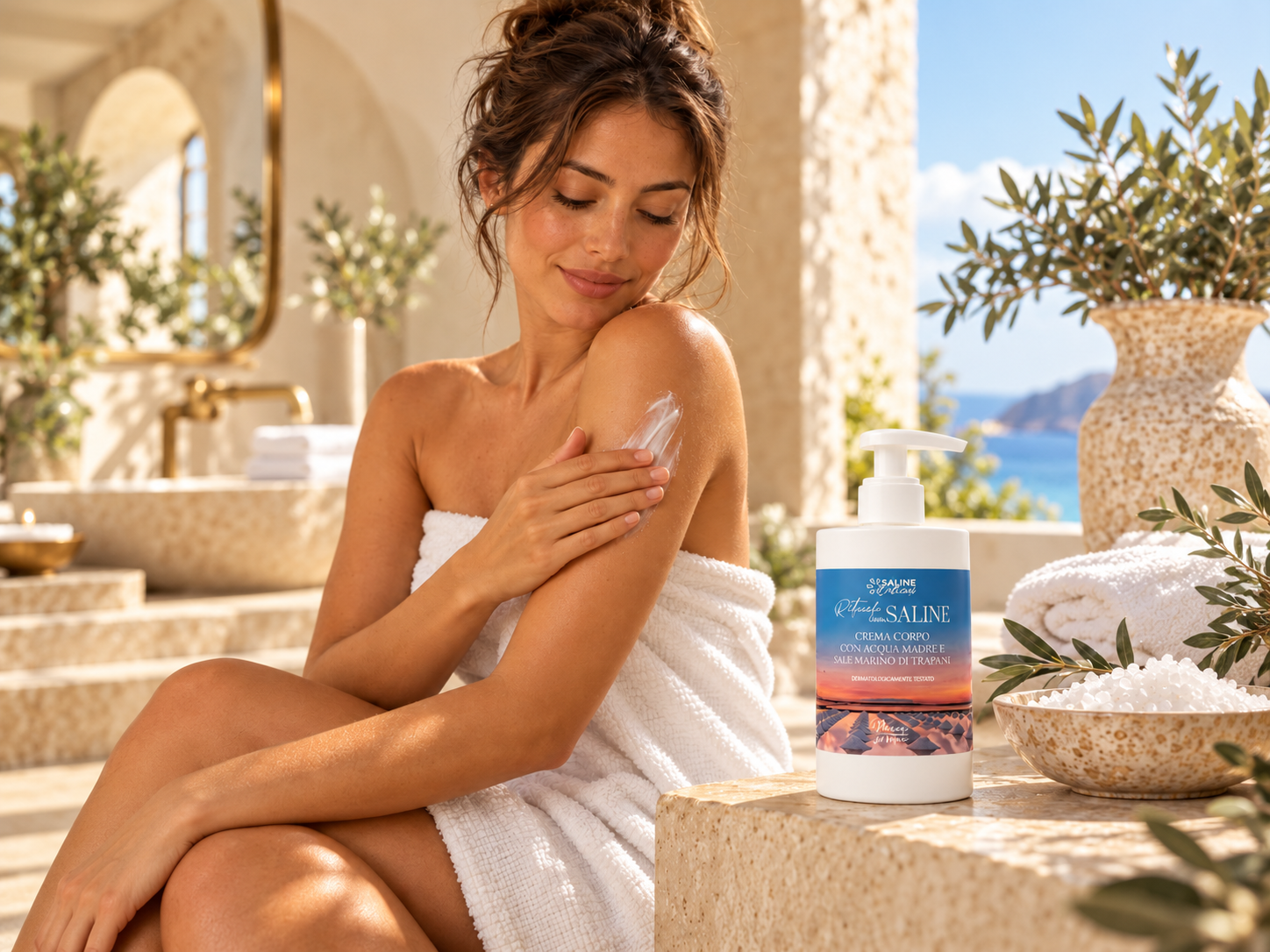
It is easy to remember body cream only when areas such as the legs, arms or elbows already feel particularly dry. Making moisturisation part of your regular routine can help maintain softness and comfort before dryness becomes more noticeable.
Consistency can be particularly useful at times of the year when the skin is exposed to additional stress. During winter, cold weather, wind and indoor heating can increase the feeling of dryness. In summer, sun exposure, sea water, swimming pools and more frequent showers can also affect how the skin feels.
You do not necessarily need to use a large amount of product. Choosing the right formula and applying it consistently is more important than simply applying more cream.
One of the most practical times to apply a body moisturiser is after a shower or bath. Gently pat the skin with a towel and then massage the cream into the body until fully absorbed.
The skin can still be slightly damp when you apply your moisturiser. Applying a moisturising product after bathing can help maintain water within the skin's outermost layer.
There is no single correct time, however. A moisturising body cream can also be applied during the day whenever your skin feels as though it needs extra comfort, paying particular attention to areas that are more prone to dryness.
If your skin feels rough, dry or tight, choosing a body cream for dry skin that combines humectant and emollient ingredients can be useful. For very dry skin, it is especially important to consider the formulation as a whole and choose a texture that suits your individual needs.
Body creams generally contain different categories of ingredients that work together. Humectants help attract and retain water in the outermost layers of the skin, while emollients help make the skin feel softer and smoother.
Ingredients commonly found in moisturising formulas include glycerin and urea. Plant oils and butters, meanwhile, are frequently used for their emollient properties.
A nourishing body cream can therefore combine several types of ingredients, balancing hydration, nourishment and a pleasant feel on the skin.
An INCI ingredient list can appear complicated at first, but you do not need to understand every ingredient to make a more informed choice. A number of ingredients appear frequently in body moisturisers because of the role they play within cosmetic formulations.
Glycerin is a widely used humectant ingredient that helps attract and retain water in the outermost layer of the skin.
Urea is also found in many products formulated for dry skin. Its cosmetic properties can vary depending on the concentration used, so it is always better to consider the complete formulation rather than judging a product by a single ingredient.
Plant oils and butters are commonly used as emollients. Sweet almond oil and shea butter, for example, can contribute to a softer, smoother and more comfortable skin feel.
The presence of oils and butters does not necessarily mean that a body cream will feel heavy. Texture, spreadability and absorption depend on the formulation as a whole.
Aloe is another ingredient frequently found in skincare and body care products. It can be included in cosmetic formulas designed to support skin comfort while contributing to the overall sensory qualities of the product.
In traditional salt pans, sea salt is produced through a gradual process of evaporation and concentration of seawater. Acqua Madre is the highly concentrated brine associated with the final stages of this natural salt-production cycle.
In cosmetics, Acqua Madre and sea salt can become distinctive ingredients in formulations inspired by the salt-pan landscape. However, it is important not to automatically attribute every property associated with minerals or saline solutions to a finished cosmetic product: the performance of a skincare product depends on its complete formulation.
For this reason, Acqua Madre and sea salt from the Culcasi Salt Pans are combined with other carefully selected cosmetic ingredients in the Rituale delle Saline range. You can also explore the complete Saline Culcasi Natural Sea Salt Cosmetics collection.
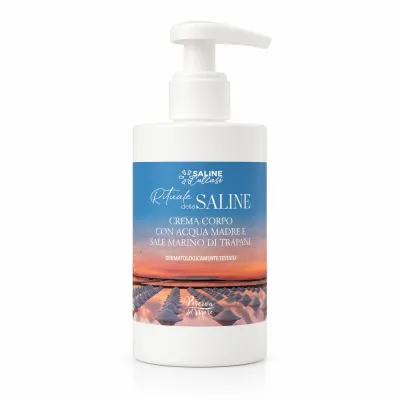
Rituale delle Saline Body Cream with Acqua Madre and Trapani Sea Salt is designed for daily body care, combining a rich texture with quick absorption.
Its formula brings together Acqua Madre and sea salt from the Culcasi Salt Pans with sweet almond oil, shea butter, Aloe, glycerin and urea.
Sweet almond oil and shea butter contribute to the nourishing and emollient qualities of the formula, while glycerin and urea support hydration and skin comfort. Lemon and orange blossom extracts are also included in the formulation.
The result is a body treatment designed to leave the skin feeling soft, nourished and comfortable without an excessively heavy feel.
The 200 ml format is suitable for everyday body care. Apply the cream to the skin and massage gently until fully absorbed, preferably after a shower or bath.
Discover Rituale delle Saline Body Cream with Acqua Madre and Trapani Sea Salt
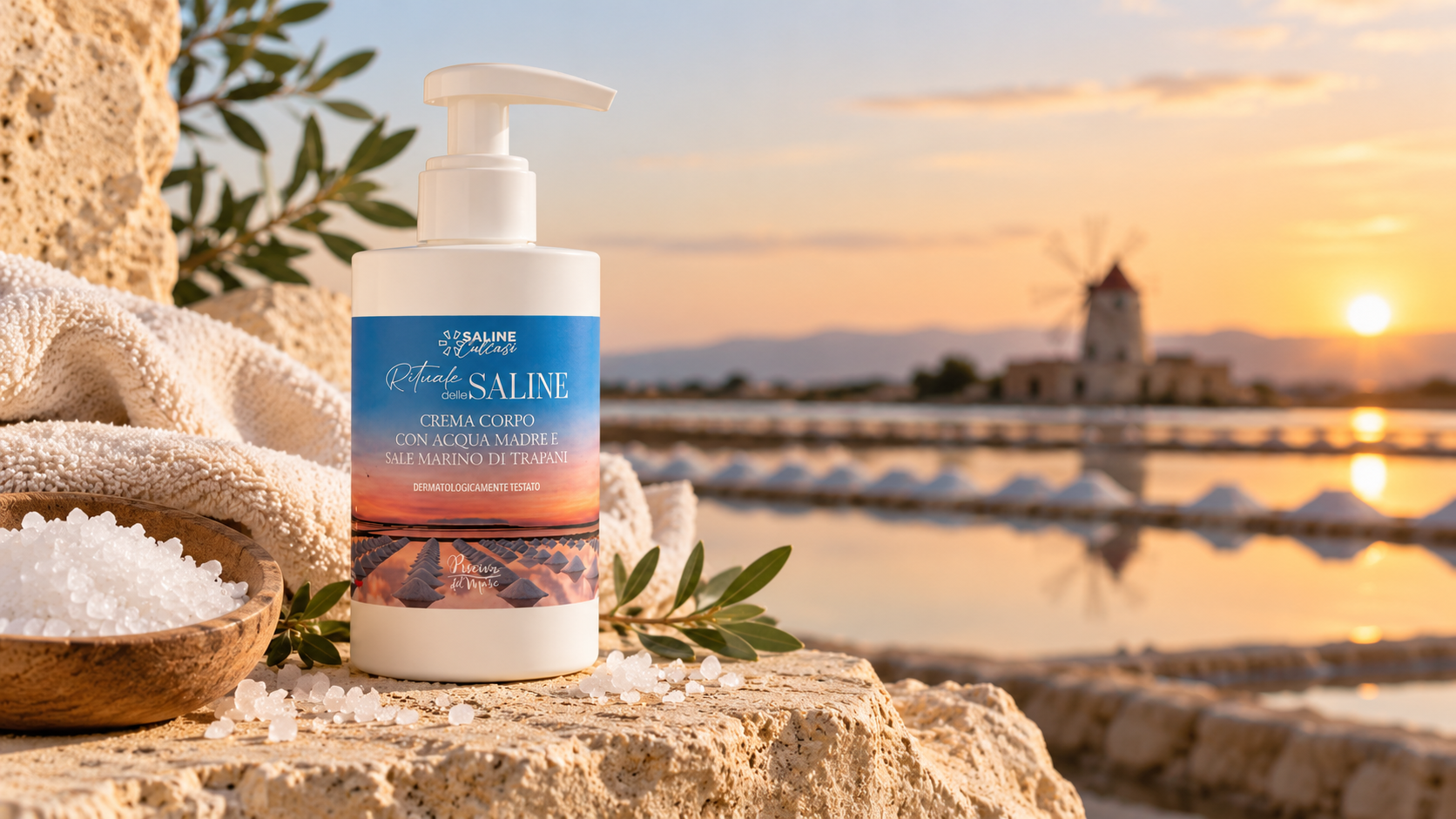
Applying body cream is simple, but a few small habits can make the experience more effective and enjoyable.
After showering, gently pat your skin dry rather than rubbing it vigorously with a towel. Apply the cream to your legs, arms, abdomen and other areas of the body, then massage gently until fully absorbed.
Pay particular attention to areas that tend to become dry, such as the elbows and legs. There is no need to use excessive amounts: start with a small amount and add more where necessary.
Consistency is what matters most. A body cream that feels pleasant to apply is much easier to turn into part of your everyday skincare routine.
One common mistake is assuming that an effective moisturiser must always feel very thick or greasy. A rich body cream can still be formulated to absorb quickly and leave the skin feeling comfortable.
Another mistake is focusing too heavily on a single fashionable ingredient. Glycerin, Aloe, urea, plant oils, butters and marine-derived ingredients should always be considered as part of the complete formulation.
Your cleansing habits matter too. Very hot showers, frequent washing or products that do not suit your skin can all contribute to the sensation of dryness.
Finally, a cosmetic body cream is not a substitute for medical or dermatological treatment. If you experience persistent irritation, severe itching, significant cracking or other ongoing skin concerns, seek advice from a qualified healthcare professional.
The best body moisturiser is one that suits the needs of your skin and feels pleasant enough to use consistently. Look at the overall formula, including humectant and emollient ingredients, texture, absorption and the way the product feels on your skin rather than focusing on one ingredient alone.
A body cream formulated for everyday use can be applied daily, adjusting the amount and frequency according to your skin's needs and following the product directions.
After showering is one of the most convenient times to apply it. Gently pat the skin dry and apply the cream while the skin is still slightly damp to help maintain moisture in the outermost layer.
The terms often overlap. “Body moisturiser” describes the purpose of the product, while “body cream” usually refers to a richer cream texture. Individual products can vary considerably, so the formulation and directions are more important than the name alone.
The two descriptions can refer to characteristics found within the same product. A formula may combine humectants such as glycerin and urea with emollient ingredients such as plant oils and butters, supporting both hydration and a softer skin feel.
Yes. Body moisturisation is not only useful during winter. In warmer months you may simply prefer a comfortable, fast-absorbing texture, particularly after time in the sun, swimming or frequent showers.
There is no single amount that is suitable for everyone. Use enough product to spread it evenly over the areas you want to moisturise, adding more only where needed.
Looking after the skin on your body does not require a complicated routine. Gentle cleansing, regular moisturisation and consistency can become simple everyday habits.
In Rituale delle Saline Body Cream, Acqua Madre and Trapani sea salt create a direct connection with the landscape of the Culcasi Salt Pans, alongside sweet almond oil, shea butter, Aloe, glycerin and urea.
To complete your body-care ritual, you can also explore the Saline Culcasi Bath Salts. If you would like to learn more about the use of Acqua Madre and sea salt in facial skincare, read our guide Face Toner: What It Does, How to Use It and When.
It is a simple way to bring an ingredient rooted in the landscape and traditional sea-salt production of western Sicily into your everyday body-care routine.
Discover Rituale delle Saline Body Cream
```